

Thai massage therapy is one of the therapies that has attracted significant interest and attention today. Not only known for its positive effects on health, this therapy is also a part of Thai culture. Let’s explore more details about Thai therapy massage with Thera Healing Spa in the article below.
1. What Is Thai Massage Therapy?
What is Thai massage therapy? Simply put, Thai massage therapy is a unique traditional therapeutic method that focuses on restoring the body’s balance through deep stretching and acupressure techniques.
Unlike common relaxation methods, this therapy is often compared to a form of “passive yoga.” During the session, the therapist assists you in performing gentle stretching postures to release tension points in the muscles.

2. How Does Thai Massage Therapy Work?
Thai massage therapy is not simply a basic massage therapy but also a harmonious combination of movement and deep physical techniques. This therapy is specifically designed to restore the body’s natural balance through its distinctive therapeutic methods.
Signature techniques of Thai Therapy Massage
Thai massage therapy typically uses the following characteristic techniques:
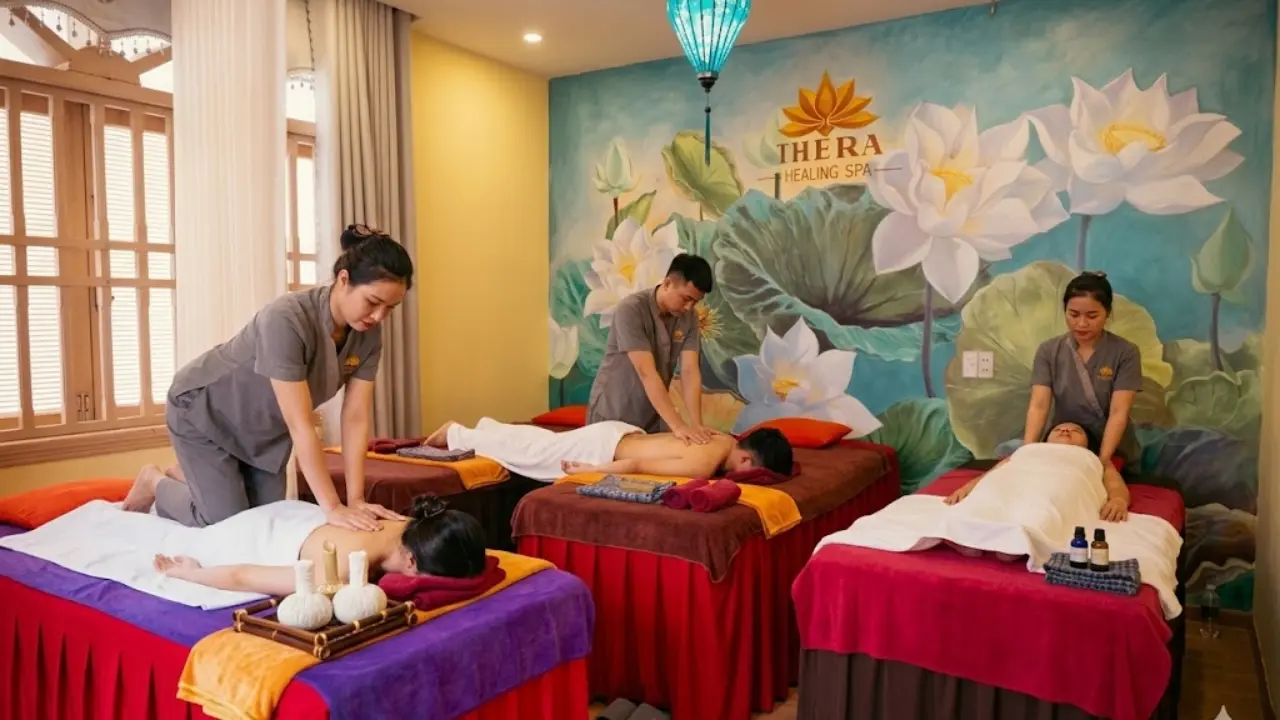
- Acupressure: Using the palms, fingers, elbows, or even knees to apply pressure on energy lines, thereby stimulating blood circulation and releasing tension at its root.
- Stretching: Systematic stretching movements help lengthen muscles and relieve accumulated pressure caused by prolonged sitting.
- Passive movement: The therapist gradually moves your body through flexible positions. This process helps expand the range of motion of the joints and brings maximum flexibility to the skeletal system.
Differences between Thai massage and conventional massage
Compared to forms such as Swedish massage or oil massage, Thai massage has many differences. Typically:
- No oil or minimal oil: Instead of using essential oils to lubricate the skin, Thai massage is usually performed over loose clothing. This allows the therapist to better control pressure and perform stretching movements more precisely without causing slipping.
- Combination of passive yoga: This is one of the most recognizable “unique features” when experiencing Thai body massage therapy. Throughout the treatment process, clients do not need to exert much effort to move; instead, they completely relax so the therapist can perform deep stretching and bending postures.
- Deep impact on muscles and joints: Instead of only focusing on surface muscle layers, traditional Thai massage strongly affects connective tissues and joints. As a result, the therapy provides long-lasting therapeutic effects for those experiencing musculoskeletal issues or chronic pain.

3. Benefits of Thai Body Massage Therapy
Experiencing Thai body massage therapy regularly is not simply a relaxation method but is also positioned as a comprehensive healthcare treatment, with positive effects on both physical and mental well-being.
Reduce muscle tension and pain
One of the most prominent effects when mentioning Thai massage therapy is its ability to effectively relieve muscle pain. Through deep and precise acupressure techniques, this therapy can act on muscle tissues that are contracted due to overexertion or poor posture. As a result, pressure on the nervous system is released, and chronic pain in areas such as the neck, shoulders, back, or calves is significantly improved.
Improve blood circulation
By combining yoga – like stretching movements with rhythmic pressure, Thai body massage therapy promotes the circulation of blood and oxygen to the body’s organs. As a result, it helps the circulatory system function more smoothly while supporting the detoxification process through the lymphatic system. When blood and energy flow well, it also means your body will feel lighter, your skin will become noticeably more radiant, and internal organ functions will be significantly improved.
Increase body flexibility
Often referred to as a form of “passive yoga,” Thai massage therapy focuses on stretching joints and ligaments. Throughout the process, the therapist helps your body perform extended postures that you may not normally be able to do on your own. As a result, the range of motion of the joints is expanded, while the risk of injury is significantly reduced. This is certainly an excellent choice if you are experiencing joint stiffness or want to improve your body’s flexibility.
Reduce stress, improve sleep
In addition to physical benefits, Thai massage therapy is also particularly effective in limiting stress and tension. Specifically, the rhythmic massage movements throughout the session help soothe the central nervous system, reduce cortisol levels, and stimulate endorphin production. After a session, you will clearly feel a sense of lightness and comfort in your mind, and your sleep quality will also be significantly improved.
Support physical recovery
For those who regularly train at high intensity or are in a light recovery phase, Thai body massage therapy serves as an effective functional recovery method. Specifically, working on deep muscle layers and stretching tendons helps accelerate tissue regeneration, reduce inflammation, and prevent muscle stiffness. This therapy helps your body quickly return to a balanced state and be ready for subsequent physical activities.

4. Professional Thai Massage Session Process
The concept and role of Thai body massage therapy have been clarified. So how does a typical Thai massage session take place? Let’s explore it with Thera healing Spa below.
Pre-treatment consultation
Every perfect Thai massage therapy experience begins with understanding. Before proceeding to the massage techniques, customers will receive a thorough consultation to determine their current health condition, areas of muscle pain, or any special notes related to musculoskeletal issues. In addition, at this stage, you will also change into specialized massage attire to ensure that stretching movements can be performed more easily and comfortably.
Performing the massage
This is the core stage of a Thai massage session. The process is usually carried out on a mat or a low specialized bed and begins with the execution of techniques.
- The therapist will start from the feet and move upward along the Sen energy lines.
- The rhythmic combination of acupressure to release blockages and stretching postures helps relieve deep muscle tension.
- Throughout the process, the therapist will continuously monitor the client’s breathing and reactions to ensure that every movement brings comfort and achieves an effective deep impact on the musculoskeletal system.
Post – treatment relaxation
After completing the session, you should not stand up immediately, as this is the golden time for your body to fully absorb the effects of the therapy. You will be given a few quiet minutes to stabilize your circulation and feel the subtle changes in your joints. A cup of herbal tea or a light drink will be served to support the detoxification process after the acupressure points have been unblocked.
In addition, the therapist will also provide you with some advice on daily posture or light exercises at home to maintain flexibility and prolong the effectiveness of the treatment.
5. Who Should Use Thai Body Massage Therapy?
With its deep and comprehensive effects, Thai massage therapy is an ideal choice for many people. Below are the groups recommended to use this therapy.
Office workers and those with a sedentary lifestyle
The nature of office work involves sitting continuously for hours in front of a computer, which unintentionally leads to muscle contraction and joint stiffness. Thai therapy massage is particularly effective in releasing energy blockages caused by maintaining the same posture for too long. Deep stretching movements help open up the chest, realign the spine, and reduce pressure on the hips, thereby helping the body become more flexible and lighter after long, stressful working hours.
Athletes and people who engage in frequent physical activity
For those who are passionate about sports or regularly train at high intensity, muscle groups often fall into a state of overload and are prone to injury. At that time, incorporating Thai massage into a regular care routine can help soften stiff muscle tissues, increase ligament elasticity, and accelerate the recovery process after training. This is certainly an excellent method to help you maintain peak physical performance while minimizing the risk of injuries throughout your training process.
People with chronic neck, shoulder, and back pain
If you frequently struggle with persistent pain in the neck, shoulders, or lower back, Thai massage therapy is an optimal solution. Instead of only acting on the surface, therapists will apply focused pressure along acupressure points along the spine and neck to reduce pressure on the nervous system. The combination of acupressure techniques and passive movements also helps improve blood circulation to affected areas, thereby significantly alleviating pain symptoms.
People who need relaxation and energy restoration
Nowadays, when facing various pressures, Thai massage has become a relaxation therapy favored by many people. Not only limited to physical treatment, this therapy also has a strong impact on the nervous system, helping reduce anxiety and stress levels. In particular, when energy pathways are unblocked, you will feel absolute relaxation, and your mind will become clearer and more refreshed. This is certainly an ideal choice for those who want to relax their mind or improve sleep quality.

6. Side effects of Thai massage
Although it is known as one of the most effective health recovery therapies, Thai massage therapy still carries certain risks and potential side effects if not performed on the right subjects. In particular, individuals with the following conditions should be extremely cautious before choosing this therapy: those with a history of high blood pressure, diabetes, osteoporosis, or neurological disorders affecting the spinal cord.
In addition, people who are undergoing injury treatment, cancer patients, pregnant women, or those who have recently undergone major surgeries should not arbitrarily experience this therapy. With Thai body massage therapy, the use of deep pressure and strong stretching intensity may lead to dangerous complications or worsen existing health conditions. Therefore, proactively consulting with a medical specialist before deciding to undergo any therapy is a necessary step to ensure your health and safety.
7. Experience in Choosing a Quality Thai Massage Service
Below are some tips to help you more easily choose an ideal massage space.
Check customer reviews on reputable platforms
Nowadays, real feedback from the community is always the most objective measure of the quality of a Thai massage therapy service. Therefore, before choosing any spa, you should take some time to check reviews on Google Maps, TripAdvisor, or travel communities. In particular, pay attention to detailed comments about the therapists, the cleanliness of the space, and the service attitude of the staff. Typically, a reputable establishment will have a relatively consistent number of positive reviews, and the way they respond to feedback also reflects their professionalism in customer care.
Observe and experience in practice
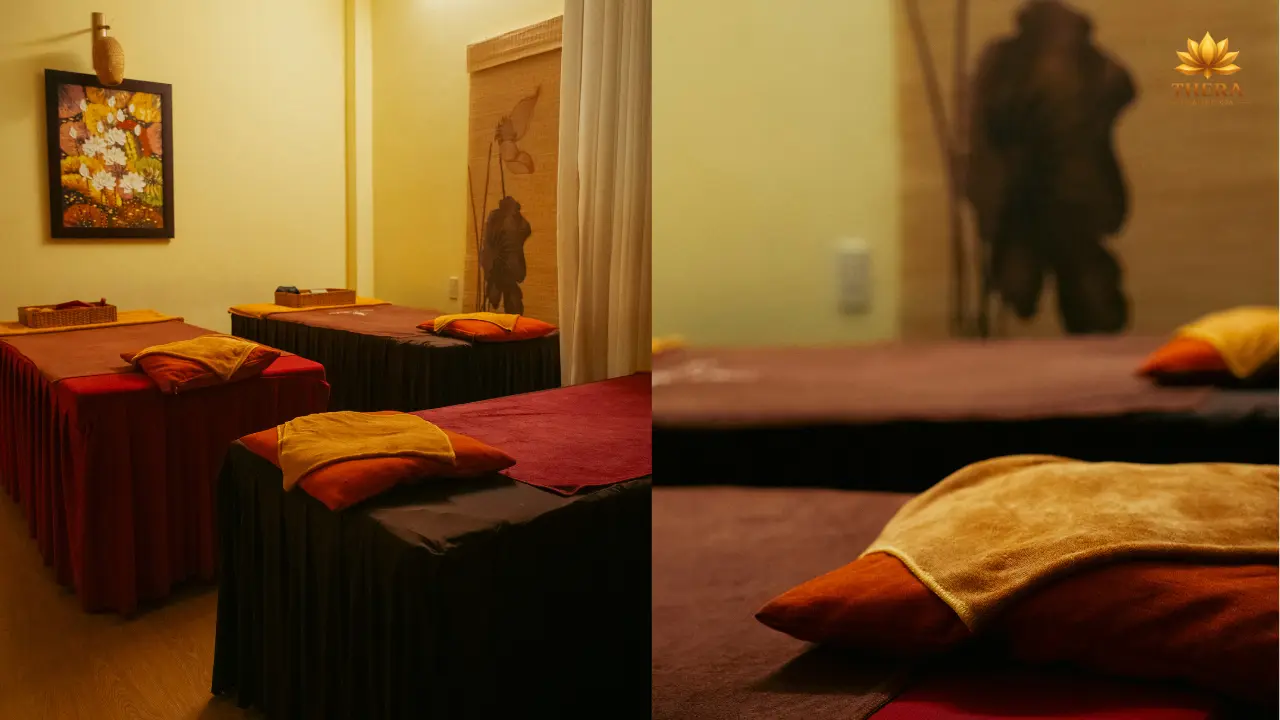
A quality Thai massage therapy session must take place in a sufficiently quiet and private space. When stepping into a spa, you can take time to observe the setup, from the lighting and the scent of essential oils to the cleanliness of the equipment. Facilities that focus on customer experience often use specialized massage mattresses, clean linens, and maintain a very peaceful environment. The overall attention to detail in the facilities is a clear commitment to respecting both the customer’s health and their experience.

Evaluate the expertise and skills of the therapists
Therapists are considered one of the most important factors that determine the quality of a Thai body massage therapy session. A good therapist is not simply someone with strong hands, but someone who understands the body’s acupressure system and knows how to perform stretching techniques according to each client’s condition.
At professional spa establishments, staff usually have clear professional certifications and a calm, dedicated working style. In particular, you should not hesitate to communicate with the therapist about any areas of muscle tension or pain. The interaction and mutual understanding between the therapist and the client are key factors that determine the success of a truly effective therapy session.

8. Book your massage appointment now!
Conclusion
Through the above article, Thera healing Spa hopes that you have gained a clearer understanding of what Thai massage therapy is as well as the benefits this therapy brings. Not only a method to enhance physical health, this type of massage is also particularly effective in improving mental and emotional well-being. From reducing stress and anxiety to enhancing flexibility and blood circulation, traditional Thai massage brings a renewed and revitalizing source of energy to those who experience it.


